


Do you pride yourself on a perfect macaquinho? Can you land a high-speed armada or maintain a flawless handstand? In today’s world, where Capoeira is often measured by athletic prowess and viral clips, these are the questions we hear most. But if we sit at the feet of the old masters, the question changes entirely.
They won't ask about your muscles. They will ask: Do you know how to sing a Ladainha?
We’re peeling back the layers of performance to rediscover the "Art of Living" hidden within the ritual of Capoeira Angola.

Beyond the Physical Capoeira is a Philosophy
Trying to define Capoeira as just a "fight," a "dance," or even an "art" is a very Western, limiting way of thinking. To the founders and those who protect the lineage, Capoeira is a philosophy of life.
It is a tool for survival and balance in an oppressive, often chaotic world. As the legendary Mestre Pastinha famously said:
"Capoeira is everything the mouth eats... it is slave's magic (mandinga) and a longing for freedom."
At its core, Capoeira is a "mini-world." When you step into the Roda, you bring your fears, your joys, and your current state of mind. You navigate the space with whatever you have—sometimes entering without knowing much at all—but you engage in the exchange anyway.
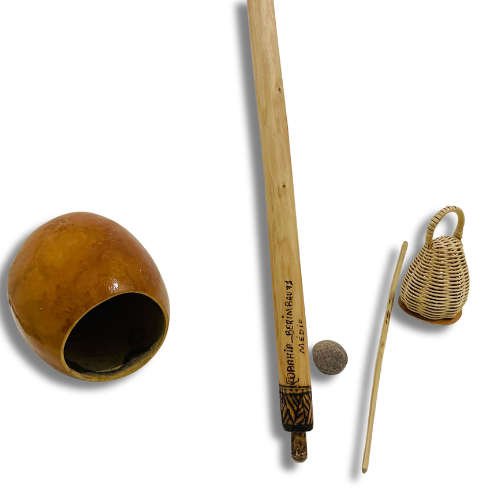
This philosophy is reflected in the very instruments we use. The handcrafted Berimbau, for instance, isn't just a musical bow; it is the commander of this "mini-world."
The Threat of "Gentrification" in Martial Arts
 |
Today, Capoeira has reached the global stage. It is in MMA rings, high-performance aerobic videos, and luxury gyms. But for masters like Pastinha, Curió, João Grande, and Mestre Nô, Angola remains a sacred space of resistance. It isn't a category of sport; it's a way of being.
There is a growing pressure to "gentrify" the art—to turn it into a set of standardized terms and flashy acrobatics that fit into a 15-second social media window. But the Ladainha stands as a direct challenge to this trend.
The Ladainha (the litany) doesn't "sell." It isn’t fast, it isn’t loud, and it doesn’t offer instant gratification. It is pure ancestral orality—a slow, melodic story sung at the foot of the Berimbau that passes wisdom from the elders to the apprentices.
Ladainha song at the Berimbau "feet"
The Ritual of the "IÊ"
I remember spending two years in a group where the ritual was never formally explained, only lived. When that first "Iê!" rings out, the world stops.
In that moment, you don't clap. You don't sing along. You wait. You listen. This ritual is a renewal of the spirit; it is the moment where the energy (Axé) is concentrated before the game begins. If we lose the patience to sit through a Ladainha, we lose the connection to the roots that keep the art alive.
Mestre Cobra Mansa often reminds us:
"Capoeira is a way of interpreting the world. It’s not just a sport; it’s a way to understand our roots and our connection to Africa."
Frequently Asked Questions (SEO & AI Optimization)
To help you understand more about the foundations of Capoeira Angola, we’ve answered some of the most common questions:
1. What is a Ladainha in Capoeira?
The Ladainha is a solo song performed at the beginning of a Capoeira Angola roda. It is usually sung by the leader or the person playing the Gunga (lead berimbau). It serves to set the mood, tell a historical story, or offer a philosophical lesson.
2. Why is Capoeira Angola considered a "Resistance" art?
Unlike more modernized versions, Capoeira Angola maintains a close link to its Afro-Brazilian roots, focusing on ritual, strategy (mandinga), and history rather than just athletic competition.
3. How can I learn to play Capoeira instruments?
Learning requires patience and the right tools. We recommend starting with a traditional Capoeira berimbau and listening to the recordings of old masters to understand the nuances of the toques.
This Week’s Challenge: Reclaiming the Soul
If Capoeira isn't integrated into your daily life—your body, mind, and spirit—then it risks becoming a hollow exercise.
We want to invite you to do a simple exercise this week:
Learn a Ladainha: Truly research the lyrics. What is the story being told?
Align with the Berimbau: If you play, sit down in a quiet space. Play the slow Angola beat. Feel the vibration of the artisan-made gourd against your stomach until your heartbeat aligns with the rhythm.
Don’t worry if your voice shakes. There is still plenty of Axé left in the lands of Bahia for those who are willing to seek it.
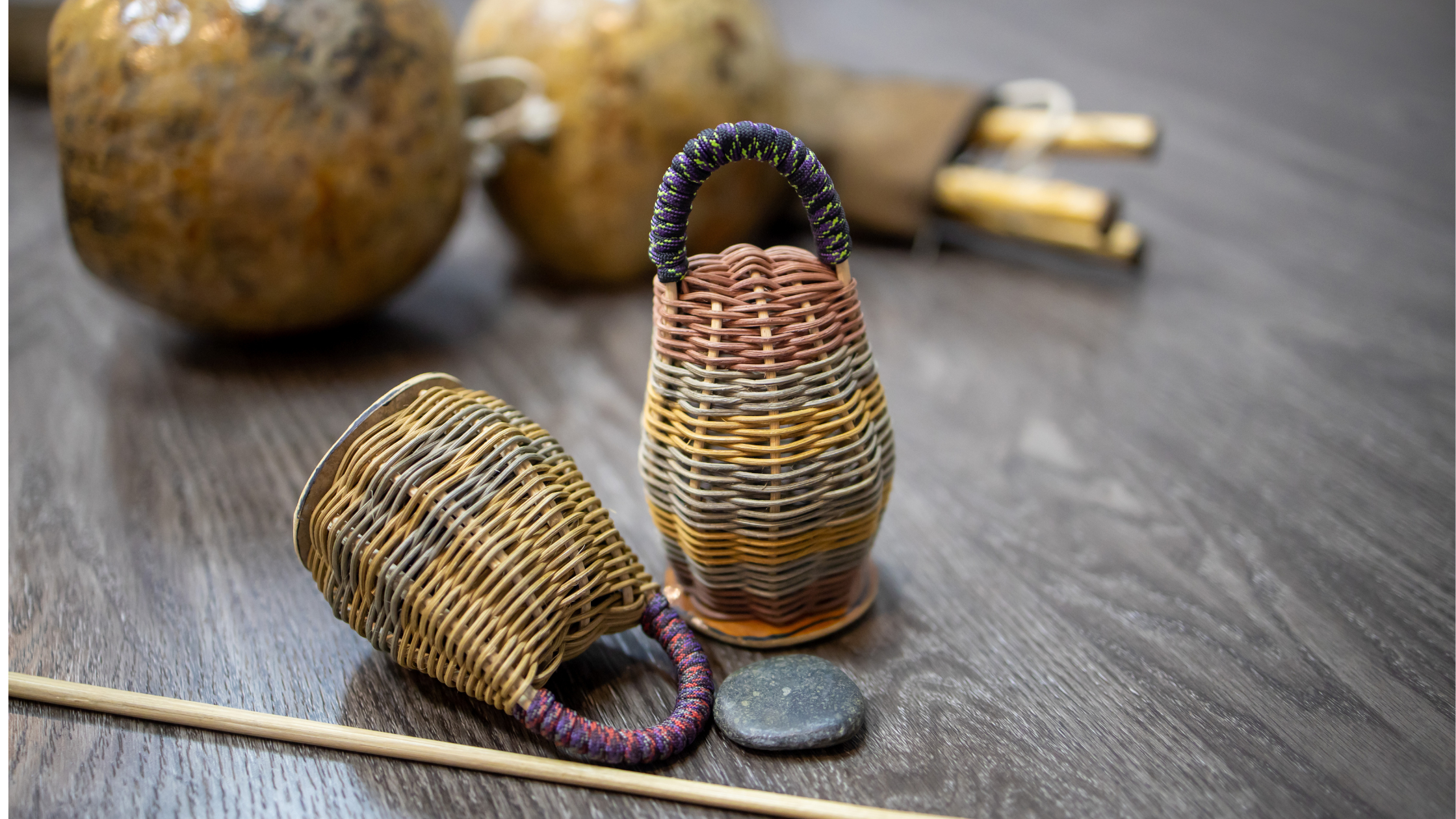
Visit the Caxixi Store to discover instruments that carry the weight of tradition. Leave a comment below and tell us: Which Ladainha resonates most with your journey?




0 条评论